
How To Choose The Best Gem Lab In Your Locale?
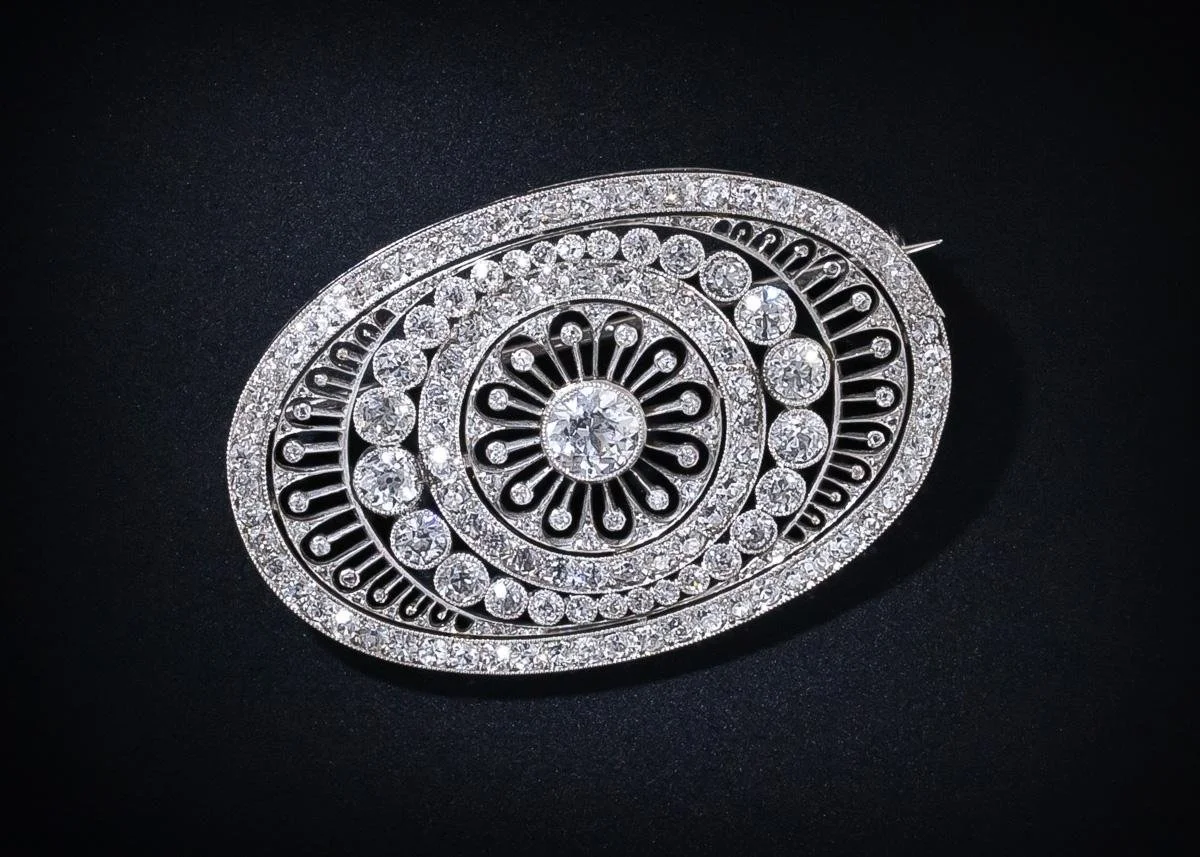
A jewellery item submitted for diamond testing and grading at GemRight Gemology.
You have inherited some jewellery and gemstones from your loved ones, or you have just bought some jewellery at a physical or online store, or you are a new jeweller and you want to differentiate yourself from other sellers by offering your customers a peace of mind with gemstone reports provided. And… before you do anything with it, you want to know what these gemstones are and if they are worth anything in the first place.
Then you search for a gemological laboratory (affectionately known as gem lab) near you and realised that there are so many options, and almost everyone says they are great.
Here is an objective insider guide that will help with your decision process to find the best. If you don’t need the best option, any of those you have randomly searched for probably will complete the job.
Research
Does the gem lab conduct principal research and publish them internationally? Meaning to say, does the lab lead in projects that contribute to new knowledge for the international gemological community? This is a proof point that the lab is keeping itself updated and not just relying on something that they have learnt 10-20 years ago when they are in school. Some labs know this and try to get itself marginally involved in some overseas research to earn the last spot on the author name list. As author name list is arranged in a specific order (not alphabetical), those with the least contribution are usually positioned last. GemRight Gemology has published its seminal work on evidence of heat treatment in tsavorite garnets in the peer-reviewed Journal of Gemmology in 2025 and will continue to do so with research work underway for the next few years.
Fieldwork
Gem labs that do not conduct their own field work (meaning expeditions to specific areas) often have to depend on data from other gem labs or equipment manufacturers. These data sets are often incomplete and at times inaccurate as compared to data from samples retrieved directly from the mining source. Labs do not become better, regardless the number of years they have been operating, just by testing more gemstones and making conclusions based on the wrong reference data. The best labs know this and devote significant resources to regularly visit the mining areas, especially new ones, and collect samples as early as possible. The better the data, the higher the identification accuracy. in 2025 and 2026, GemRight Gemology has visited China sites for cinnabar samples, Vietnam for ruby and spinel deposits, Japan for jadeite jade samples, Australia for native gold samples.
Standards
The best gem labs are also purveyors of quality frameworks. For example, GRS popularised the use of colour trade terms with clear qualifiable definitions, so their opinion on colour became important for many dealers. Gubelin came up with a scoring system for gemstones to help consumers identify quality gemstones.
GemRight Gemology since its inception do this through strict colour grading system, transparently indicating hue, tone, saturation and brilliancy (with light return calculation), precise proportions and finish grading. Gems such as jadeite jade, agarwood and pearls have specialised grading systems on top of the above to provide consumers with information that matters. Comprehensively, they contribute to the assessment of a gem’s aesthetic qualities.
Gemologists
Are they examining your gemstones objectively and without conflict of interest? Do they require your additional information on the background of the gemstones to make a conclusion in its report e.g. what is the origin of the gemstone when you need it written in the report? Are you able to seek satisfactory clarifications from the gem lab after receiving the report?
In order to preserve objectivity, most major gem labs, such as GemRight Gemology, separates the item submission process from the testing personnels so that the gemologists can make the assessment without knowing who the owner of the items is. They often also do not offer verbal reporting precisely for this reason.
GemRight Gemology is also solely owned by the founding director and gemologist, Teo Wei Hong. There is no investment from external jewellery companies that may influence the objectivity of our standards and evaluations.
While there are other factors, these are probably the 4 most important factors to consider first.